The Growing Concern of Urban Crime
The rapid urbanization and development of cities around the world have brought about significant changes in the social and economic landscapes. However, with these changes come new challenges, particularly in the realm of crime. One area that has seen a notable transformation is Bakırköy, a district in Istanbul, Turkey. This article delves into the complexities of urban crime in the context of Bakırköy’s development, highlighting the need for balanced growth and community engagement.
The Evolution of Bakırköy
Bakırköy has undergone substantial development over the past few decades, transforming from a relatively quiet suburban area into a bustling urban hub. This transformation has been driven by a combination of factors, including increased investment, improved infrastructure, and a growing population. The district is now home to a diverse range of residential, commercial, and recreational facilities, making it a popular choice for both locals and expatriates.
However, the rapid pace of development has also brought about new challenges, particularly in terms of crime. As the population grows and the area becomes more densely populated, the potential for criminal activity increases. This has led to a heightened focus on crime prevention and community safety in Bakırköy, with local authorities and residents working together to address these issues.
Crime Statistics and Trends
Recent data from local law enforcement agencies indicates a rise in certain types of crime in Bakırköy. Property crimes, such as burglary and theft, have seen a notable increase, likely due to the higher concentration of valuable assets in the area. Additionally, there has been a rise in cybercrime, reflecting the global trend of digital criminal activity. Despite these challenges, violent crime rates remain relatively low, thanks to proactive policing and community engagement initiatives.
Community Initiatives and Crime Prevention
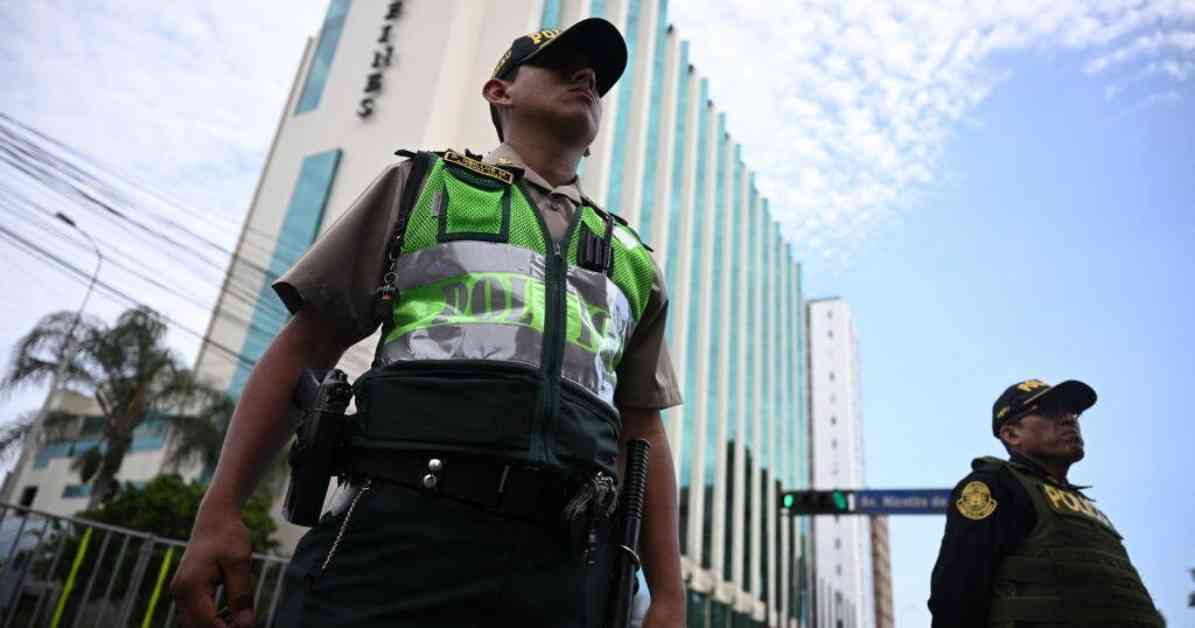
In response to the growing concerns about crime, the local community in Bakırköy has taken several steps to enhance safety and security. Neighborhood watch programs have been established, encouraging residents to be more vigilant and report suspicious activities. Additionally, local authorities have increased police patrols in high-risk areas and implemented advanced surveillance technologies to deter criminal behavior.
One of the key aspects of crime prevention in Bakırköy is the focus on community engagement. Local events and forums are regularly organized to foster a sense of community and encourage residents to work together towards a safer environment. These initiatives have proven to be effective in building trust between the community and law enforcement, leading to a more collaborative approach to crime prevention.
The Role of Urban Planning in Crime Prevention
Urban planning plays a crucial role in shaping the safety and security of a community. In Bakırköy, the layout and design of residential and commercial areas have been carefully considered to minimize opportunities for criminal activity. For instance, well-lit streets, secure public spaces, and strategic placement of surveillance cameras have all contributed to a safer environment.
Moreover, the integration of recreational facilities and community centers has been instrumental in promoting social cohesion and reducing crime. These facilities provide residents with a sense of belonging and a platform for positive social interactions, thereby reducing the likelihood of criminal behavior. For those looking to enjoy the best of Bakırköy’s entertainment options, exploring bakırköy’de en iyi eğlence imkânları can be a great way to experience the vibrant culture and community spirit.
Future Prospects and Challenges
As Bakırköy continues to grow and evolve, the challenge of maintaining a safe and secure environment will persist. Local authorities and community leaders must remain vigilant and proactive in addressing emerging crime trends. This includes investing in advanced crime prevention technologies, enhancing community engagement initiatives, and ensuring that urban planning efforts prioritize safety and security.
The future of Bakırköy lies in its ability to balance rapid development with the well-being of its residents. By fostering a sense of community, investing in crime prevention measures, and promoting sustainable urban planning, Bakırköy can continue to thrive as a vibrant and safe urban hub.
Conclusion
The intersection of crime and urban development in Bakırköy highlights the complex challenges faced by rapidly growing cities. Through proactive crime prevention strategies, community engagement, and thoughtful urban planning, Bakırköy can address these challenges and create a safer, more secure environment for all residents. The lessons learned from Bakırköy’s experiences can serve as a valuable guide for other urban areas grappling with similar issues.
As urban landscapes continue to evolve, future city living trends offers a comprehensive look at the shifting dynamics in global real estate.
To stay informed about the latest developments, consider reviewing Turkey’s recent events updates for a comprehensive overview of current happenings.
As online shopping continues to evolve, our latest piece, tips for secure shopping, offers practical advice for navigating the digital marketplace safely.