Introduction
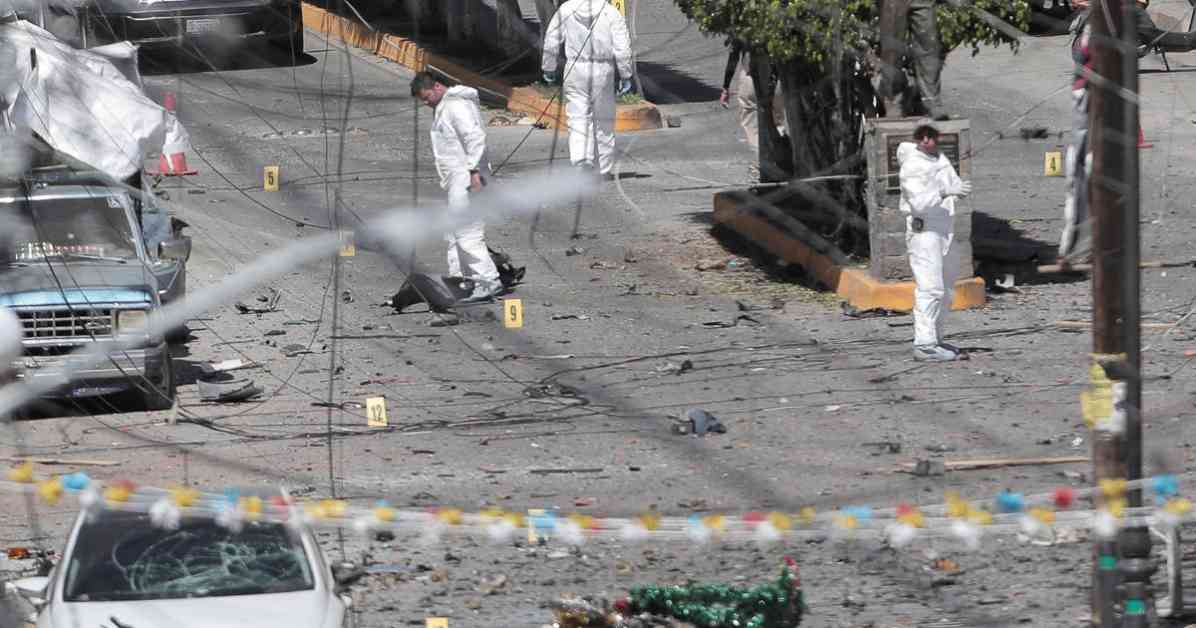
The landscape of global crime is constantly evolving, influenced by a myriad of social, economic, and technological factors. This article delves into the latest trends and developments in crime rates worldwide, providing a comprehensive overview of the current state of affairs. From cybercrime to organized crime, we explore the key areas that are shaping the criminal landscape in 2023.
Cybercrime: The Silent Epidemic
One of the most significant shifts in recent years has been the exponential growth of cybercrime. With the increasing reliance on digital technologies, cybercriminals have found new avenues to exploit vulnerabilities. According to recent reports, cybercrime has surged by over 600% since the onset of the COVID-19 pandemic. This surge can be attributed to the sudden shift to remote work, which has created numerous opportunities for hackers to infiltrate corporate networks.
In response to this growing threat, governments and law enforcement agencies are ramping up their efforts to combat cybercrime. International cooperation has become crucial, with agencies like Interpol and the FBI collaborating to track down cybercriminals across borders. The development of advanced cybersecurity measures, such as artificial intelligence-driven threat detection, is also playing a pivotal role in mitigating the impact of cybercrime.
Notable Cybercrime Incidents
Recent high-profile cybercrime incidents have highlighted the severity of the issue. For instance, the Colonial Pipeline ransomware attack in 2021 disrupted fuel supplies along the East Coast of the United States, demonstrating the potential for cybercrime to have real-world consequences. Similarly, the SolarWinds hack, which compromised numerous U.S. government agencies and private sector companies, underscored the need for robust cybersecurity measures.
The Rise of Organized Crime
Organized crime has also seen a resurgence in recent years, with criminal syndicates expanding their operations globally. The rise of dark web marketplaces has facilitated the sale of illegal goods and services, making it easier for organized crime groups to operate with impunity. The proliferation of cryptocurrencies has further complicated efforts to track and disrupt these activities.
Law enforcement agencies are adapting to these challenges by leveraging advanced data analytics and intelligence-sharing platforms. The establishment of specialized units dedicated to combating organized crime has also proven effective in dismantling criminal networks. International cooperation remains a cornerstone of these efforts, with agencies like Europol and the DEA working together to tackle transnational organized crime.
Case Studies in Organized Crime
Several notable cases have shed light on the complexities of organized crime. The takedown of the DarkMarket dark web marketplace in 2021, which was responsible for facilitating millions of dollars in illegal transactions, highlighted the importance of international collaboration. Similarly, the dismantling of the ‘Ndrangheta crime syndicate in Italy demonstrated the effectiveness of targeted law enforcement operations.
Sports and Crime: An Unlikely Connection
The world of sports is not immune to criminal activities. From match-fixing to doping scandals, the intersection of sports and crime has become a growing concern. The integrity of athletics competitions is crucial, not only for the athletes but also for the millions of fans who follow these events. Recent scandals have raised questions about the effectiveness of current regulatory frameworks and the need for stricter oversight.
For the latest updates on athletics competition results 2026 and related news, visit athletics competition results 2026. This resource provides comprehensive coverage of sports events and the ongoing efforts to ensure fair play and integrity in athletics.
The Impact of Crime on Sports
The impact of crime on sports extends beyond the immediate scandal. It erodes public trust in the integrity of the games and can have long-term consequences for the sport’s reputation. The recent match-fixing scandals in tennis and football have highlighted the need for robust regulatory measures to prevent such incidents. The establishment of independent integrity units and the implementation of strict anti-corruption measures are essential steps in this direction.
Conclusion
The global crime landscape is undergoing significant changes, driven by technological advancements and evolving social dynamics. Cybercrime and organized crime pose substantial challenges, requiring coordinated efforts from law enforcement agencies and international bodies. The intersection of sports and crime underscores the need for vigilance and robust regulatory frameworks to maintain the integrity of athletics competitions. As we move forward, it is crucial to stay informed about these developments and support efforts to combat crime in all its forms.
To stay informed about the latest happenings worldwide, delve into recent global developments and their implications.
As states across the nation grapple with climate change, Vermont’s green energy progress offers a compelling case study in sustainable innovation.