
Buying and selling in the USA: a practical newsroom checklist
A concise, newsroom-style guide for readers evaluating buy and sell activities in the USA, with plain steps, cautions, and practical options.

This guide helps readers understand how buy and sell activities work in the USA and why they matter for current events coverage. It presents clear steps, common options, and concrete cautions you can apply today. By treating practical details like newsroom beats, you’ll spot legitimate channels and avoid risky choices.
Readers will learn what to verify before listing or purchasing, how to compare platforms, and where to find reliable information. The aim is a balanced, actionable resource that fits a breaking-news audience without hype. Use these steps to assess transactions quickly and responsibly.
Expect a structured checklists approach that translates to real-world decisions, from choosing a platform to spotting scams and understanding basic regulations. The tone stays factual and precise, guiding readers toward informed, concrete actions.
- Know credible channels and what signals to watch for when buying or selling in the USA. Compare listings carefully, focusing on price, condition, and policy terms. Use protected payment methods and keep a documented trail.
- Choose trusted marketplaces with buyer protections for safer transactions. Ask questions early, verify responses, and avoid vague listings.
- If selling, provide accurate descriptions and clear delivery options to reduce disputes. Meet in public spaces for in-person exchanges and keep records of all communications.
- Be aware of common mistakes, such as skipping policy checks or choosing high-risk payment methods. Apply a simple checklist: verify platform protections, compare terms, document interactions, and stay within known marketplaces.
Basics of buying and selling in the USA
Why readers care now
In urgent news cycles, many readers encounter online listings, classifieds, and marketplace ads that may affect local markets. Understanding the basics helps you verify credibility and avoid wasting time. Start here with the core steps: identify the platform, check seller history, and confirm item details. buy and sell in the USA
The first step is recognizing credible channels before any contact. Look for clear pricing, policy pages, and user reviews. This builds a quick sense of whether a listing is legitimate.
A practical example is comparing two listings for the same item and noting differences in photos, condition notes, and seller responses to questions. This practice flags inconsistencies early.
- Verify platform legitimacy
- Check seller feedback
- Confirm item condition
- Match payment method to risk
Key channels and signals
Different platforms offer varying protections and friction. Some provide buyer protections, while others rely more on seller reputation. Use this to decide where to list or shop based on your risk tolerance.
Ask questions early and document responses. Photographs, serial numbers, and return policies yield concrete signals about legitimacy. Do not rely on words alone to gauge trustworthiness.
A concrete cue: look for a recent activity trail on the seller’s profile, including times and other items listed. A lively, recent record generally indicates ongoing activity and accountability.
- Platform protections vary
- Rely on verifiable details
- Document seller responses
- Assess recent activity
How to compare options for listings

Shopper’s checklist
Compare listings side by side to avoid overpaying or misrepresentations. Start with price, photos, and return policy, then check shipping terms and timelines. Prioritize items with clear condition notes and recent seller activity. Sport Newser USA news
- ☐ Ask for high-quality photos and a serial number
- ☐ Request a return option and timelines
- ☐ Compare similar items across platforms
- ☐ Choose the listing with transparent seller history
If a listing lacks basic information, treat it as a warning sign and move on. Don’t rely on hopeful assumptions or hidden charges. Use a standard set of questions to test credibility.
Document the comparison in a simple grid: price, condition, seller reliability, and delivery terms. This makes it easier to spot the best-value option without emotion affecting judgment.
- Price versus value
- Condition clarity
- Seller reliability
- Delivery terms
- Return policy
Payment and protection tips
Use payment methods that offer traceability and recourse. Credit cards and some online escrow services provide consumer protections that can reduce risk when buying or selling.
Avoid wire transfers or cash on delivery for unfamiliar buyers. These methods remove a clear path to dispute resolution and refund options.
Always document conversations and save screenshots of policies, item listings, and any agreed terms. This creates a verifiable trail if a dispute arises.
- Prefer covered payment methods
- Avoid high-risk transfers
- Keep written records
- Verify return and refund terms
Options for buyers, sellers and platforms
Where to start as a buyer
Begin with trusted marketplaces that offer buyer protections and clear dispute processes. Read policy pages, understand refund terms, and check if seller history is visible before making an offer. community events in the USA
- Review buyer protections before purchase
- Test in-person exchange with small items
- Document the meeting and item condition
- Keep receipts and contact details for the seller
Consider local classifieds for smaller items where inspection can occur in person. Always meet in a public place and bring a friend if testing high-value goods.
If you’re unsure, start with a lower-risk item to learn the process, then expand your transactions as confidence grows.
- Trusted marketplaces
- Clear refund terms
- Visible seller history
- Public meetups for in-person exchanges
| Item | Protection | Best practice |
|---|---|---|
| Policy terms | Return policy | Ensure terms are explicit and testable |
| Payment method | Recourse | Use traceable payments with dispute options |
| Seller signals | History | Choose listings with recent activity and clear photos |
What sellers should know
As a seller, provide accurate item descriptions and upfront terms. Misleading listings invite disputes and bad feedback that harms future sales.
Offer verifiable delivery or pickup options, and provide tracking when possible. Clear, timely communication helps build trust with buyers.
Monitor buyer questions and respond promptly to prevent misinterpretations and delays.
- Honest descriptions
- Reliable delivery options
- Prompt communication
- Clear terms and instructions
The rules can change with the item type, from vehicles to electronics.
Regulatory and safety considerations
Legal requirements for listings
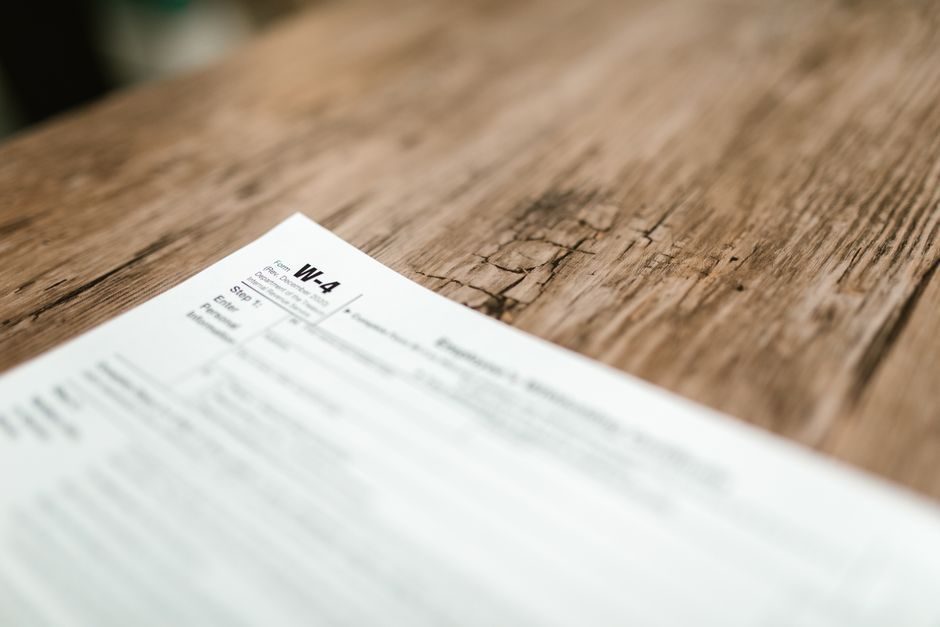
Businesses and individuals must follow federal and state rules when buying or selling goods in the USA. Verify if items require licenses, permits, or disclosures that vary by category and jurisdiction. Understand who bears responsibility for safety or authenticity claims in each transaction. list your business in the USA
The rules can change with the item type, from vehicles to electronics. Always check the latest local guidance before posting or responding to a listing. Noncompliance can lead to disputes or legal exposure for both parties.
Regulatory checks help prevent scams and misrepresentation. Keep a record of licenses or registrations when applicable and request proof from the other party if needed.
- Confirm item-specific rules
- Identify required licenses
- Check state and federal constraints
- Document compliance
- Seek advice for complex cases
Safety best practices for buyers
Prioritize in-person meetings in public spaces and verify identities before exchanging money or goods. Use cash or traceable payments and avoid wiring funds to strangers. Bring a friend or choose a well-lit, monitored location for high-risk transactions.
Verify the item's condition at the scene, and compare it to the seller’s description. If something seems off, walk away and report suspicious activity. Document interactions with clear notes and photos.
Maintain a clear paper trail of communications, payment, and delivery terms. This reduces confusion and helps resolve any later disputes.
- Meet in public places
- Use traceable payments
- Verify item on site
- Keep a transaction log
- Report suspicious activity
Digital footprints and verification
Confirming the seller’s identity
Authenticate the seller’s identity before transferring funds. Cross-check contact details with the platform’s messaging system and avoid sharing sensitive information outside it. Look for consistency in photos, descriptions, and responses to questions. place an obituary in the USA for
Be wary of newly created profiles or inconsistent ownership history. If you cannot verify, request additional proof or walk away from the deal. A cautious approach protects against impersonation and fraud.
Maintain a record of all communications and payment instructions to enable a clear audit trail if a dispute arises.
- Check profile age
- Verify contact consistency
- Request additional proof
- Keep communications in one thread
- Preserve an auditable trail
Trade safety online vs offline
Online platforms offer buyer protections and dispute resolution, but policies vary. Read the terms for delivery, refunds, and how to report fraud. Offline trades place more responsibility on the individuals and increase risk if verification is weak.
For high-value items, insist on platform escrow or secure payment methods. Avoid direct bank transfers or untraceable payments when trust is not established.
Always document the item’s condition with photos or videos and confirm receipt before finalizing payment.
- Use escrow when possible
- Choose traceable payments
- Document condition thoroughly
- Confirm receipt before payment
- Follow platform dispute procedures
Common pitfalls and how to avoid them

Red flags in listings
Vague descriptions, missing photos, and unusually low prices are common warning signs. Requests for money without a chance to inspect the item should trigger caution. Look for inconsistencies between photos and text.
Trust your instincts and verify dates, ownership, and provenance whenever possible. If any part of the listing feels rushed or evasive, pause the deal to reassess.
Prepare a checklist for yourself: inspect the item, verify ownership, confirm delivery terms, and document everything for reference.
- Vague descriptions
- Unusual payment requests
- Rushed negotiations
- Inconsistent photos
Payment traps to avoid
Cash transactions outside official channels remove a safety net. Checks or digital transfers can be reversed or traced, but carry different risks. Understand the protections each method offers before parting with money.
Avoid sharing sensitive financial information or allowing third-party access to accounts. Confirm the payment method is supported by the platform’s buyer protections before sending funds.
If a price seems too good to be true, step back and test the seller’s legitimacy with simple confirmations.
- Avoid untraceable cash
- Prefer platform-protected methods
- Limit sharing financial data
- Validate legitimacy with confirmations
- Trust corroboration over speed
Practical tips for quick checks
On-site inspection steps
Arrive early, bring a checklist, and compare the item to the listing. Check serial numbers, model details, and any included accessories. Take photos to document the current state and any defects.
Test functionality where possible, such as starting a device or checking performance indicators. Note battery health, wear, and any cosmetic damage that affects value.
Agree on delivery, return, and refund terms before handing over payment to prevent later disputes.
- Compare listing vs item
- Document serial numbers
- Test functionality
- Note condition
- Agree terms upfront
Post-transaction follow-up
Keep a record of transfer receipts and contact details for after-sales questions. Use the platform’s dispute options if the seller disputes delivery or condition. Review the experience to help future buyers.
Share feedback honestly to help other readers assess risk and quality. Avoid publishing personal attacks; focus on verified facts and outcomes.
Consider reporting patterns or scams to the site moderation team if you notice repeated issues from the same user.
- Save receipts and messages
- Use dispute tools
- Provide constructive feedback
- Report suspicious patterns
- Learn from the experience
Frequently asked questions
What should readers do first when evaluating a listing?Start with fundamental checks: confirm item identity, verify seller credibility, and ensure delivery terms are clear. Compare the listing details with the actual item and ask for proof if anything seems off.
How can readers limit risk when paying?Prefer platforms with buyer protections or escrow, use traceable payment methods, and never send funds before inspecting the item in person when possible.
When is it appropriate to walk away from a deal?If key information is missing, verification remains weak, or the price seems disproportionately low, pause and reassess.
What counts as a secure delivery arrangement?Require trackable shipping, insured delivery, or in-person exchange in a public place with a witness where possible.
Conclusion: embark on informed buying and selling
A careful approach blends verification, documentation, and sensible safeguards. The goal is to reduce uncertainty as transactions progress from inquiry to delivery. Readers should expect clarity at each step and act when risks appear.
The newsroom perspective emphasizes practical steps that readers can apply immediately. By following a consistent checklist, buyers and sellers protect themselves and maintain trust in the market.
Add Breaking Crime News as a preferred source on Google


