
How to Recognize and Report Online Currency-Exchange Fraud
Learn how online currency-exchange scams work, check a provider and its quoted rate, preserve evidence, and report suspected fraud to the right authorities.

Fraud in cybercrime is deception carried out through digital systems to steal money, information, or access. In an online currency-exchange scam, a fake or dishonest provider may advertise an attractive rate, take a transfer, then delay, demand extra fees, or disappear. Check the business independently, compare its quote with a separate reference, and preserve records before reporting suspected fraud.
A quoted rate alone cannot show whether a provider is legitimate. Check the company’s identity and registration through official sources, confirm how the final amount is calculated, and be wary of pressure to pay quickly or through a hard-to-reverse method.
If you suspect fraud, stop sending money and keep the messages, receipts, account details, and transaction records. Contact your bank or payment service promptly, then report the incident to the relevant authorities; the right reporting route depends on where you live and where the provider operates.
- Online exchange fraud uses false rates, impersonation, or payment demands to take money or personal information.
- Verify the provider’s legal identity and payment destination independently before sending funds.
- Compare the complete quoted payout with a separate rate reference, including fees and deductions.
- If you suspect fraud, stop paying, preserve records, contact your bank, and report it to the relevant authorities.
How online exchange scams deceive their victims
The attractive-rate bait
An unusually favorable exchange rate can draw a customer into sending money before checking who will receive it. A scammer may advertise a rate that looks better than those offered by established providers, then add unexpected charges or fail to deliver the converted funds. Compare the whole transaction, not just the headline figure.
- Find the provider’s legal name and contact details.
- Check the quoted rate against an independent reference.
- Confirm the total fees and amount the recipient should receive.
- Save the offer and terms before authorizing payment.
A displayed market rate can help you assess a provider’s claim, but it cannot prove that the business is genuine. For a reference point on Turkish-lira conversions, bugünkü döviz kurları may help you compare a claimed rate with public information; the provider’s identity and terms still need independent checking.
Scammers may use copied logos, fabricated testimonials, or websites that resemble real financial services. A polished page is easy to create and does not establish that a company is licensed, holds customer funds safely, or will complete a transfer. Treat claims on the provider’s own site as claims to verify, not as proof.
- Compare the advertised rate with an independent reference.
- Check the total amount and all disclosed fees.
- Verify the business through an official source.
- Avoid sending money before the recipient and terms are clear.
The transfer that never arrives
Some scams begin with a small, apparently successful exchange to build trust. After a customer sends a larger amount, the operator may claim the transfer is pending, request a new payment, or stop responding. A first completed transaction does not guarantee that later transfers will be handled honestly.
Watch for explanations that shift each time you ask for a clear status. A provider might blame a bank, request an extra release charge, or say that a transfer cannot be returned without another payment. Contact your bank or payment service through its official channel instead of relying only on the provider’s account of events.
Keep a dated record of what was promised and what happened after payment. Save the original rate quote, expected delivery time, transfer confirmation, and every later explanation. Those details can help a bank or investigator distinguish an ordinary delay from a pattern of deception, especially if the provider changes its story or stops replying.
Check an exchange provider before sending money
Verify the legal business
Look up the provider’s legal identity in an official registry or regulator database before transferring funds. Use the exact company name and country shown in its terms, then check whether the registration covers the service being offered. A registration record is not a guarantee against fraud, but a missing or mismatched identity is a serious warning.
- A registry entry should match the legal entity named in the offer.
- A regulator’s record can help confirm whether a provider is authorized.
- A real company’s name may be misused by an impersonator.
Compare the company’s listed address, contact information, and website with the details in the offer. Scammers sometimes impersonate a legitimate firm by changing a web address slightly or using a real company’s name with different payment instructions. Contact the genuine business using details found independently, not a phone number or link sent by the person soliciting payment.
Check whether the provider explains how it handles customer money, complaints, cancellations, and transfer delays. Terms should identify the contracting business and describe the costs and process in readable language. If the company will not provide basic written terms, or its stated policies conflict with what an agent tells you, pause and seek clarification before sending funds.
- Search the exact legal name in an official registry.
- Match the website and contact details independently.
- Confirm the business is authorized for the service offered.
- Read the cancellation and complaint terms.
Check the receiving account
Before paying, confirm that the account name and payment destination match the provider’s verified identity and documented instructions. A sudden switch to a personal account, an unrelated company, or a different country needs a clear explanation. Contact the provider through an independently verified channel before acting on revised bank details.
Do not treat a secure-looking payment page or encrypted connection as proof that the recipient is trustworthy. Those features can protect information in transit, but they do not confirm who operates the service or controls the account. Check the business separately and make sure the payment method offers a clear record of the recipient and transaction.
If you are asked to pay in cryptocurrency, gift cards, or another method that is difficult to reverse, stop and verify the reason. Some legitimate services may support varied payment methods, but urgency combined with an unusual destination increases risk. Ask your bank or payment provider what protections apply before authorizing a transfer.
Compare a quoted rate with independent information
Compare the full conversion
Compare the provider’s quote with an independent conversion using the same currencies, amount, and date. A döviz kurları çevirici can provide a separate reference for checking whether a proposed conversion is plausible before you authorize payment. Treat the result as a comparison point, because the provider may apply fees or a different rate.
Ask for the exact amount the recipient will receive, the rate used, and every fee or commission. A quote that lists only an exchange rate can hide costs deducted later from either side of the transfer. Make sure you compare like with like: the same starting amount, destination currency, payment route, and delivery arrangement.
Check whether the displayed reference is indicative, live, or tied to a particular source and time. Market prices can move, and a reference rate is not necessarily the rate a customer can obtain. A provider should explain its own quote clearly; unexplained differences, changing terms, or refusal to give a final amount deserve caution.
- Use the same currencies and amount in both calculations.
- Compare the final amount after fees, not just the rate.
- Check the reference source and time.
- Save the quote before completing the payment.
| Check | What it shows | What it cannot prove |
|---|---|---|
| Independent converter | A reference conversion for the chosen amount | That the provider is legitimate |
| Provider’s written quote | Its rate, fees, and stated payout | That the promised transfer will arrive |
| Final payment screen | The details shown before authorization | That the receiving account is genuine |
| Official rate information | A published reference rate and its source | The rate a specific provider must offer |
Read the quote carefully
A written quote should make clear which currency you send, which currency the recipient gets, and when the rate applies. Check whether the rate is fixed when you request it or can change before the transfer is completed. If the provider cannot explain that point, do not assume the displayed figure is guaranteed.
Look for costs that may appear under different names, including service charges, intermediary-bank deductions, or recipient fees. Ask whether the quoted payout is before or after those deductions and whether the recipient could receive less. A clear provider can describe the calculation in writing without replacing it with vague assurances about a favorable deal.
Compare the provider’s quote with the amount actually shown at the final authorization screen. Stop if the recipient amount, fee, or exchange rate changes without an explanation you understand. Save a screenshot or download the written offer, because a later dispute may turn on what you were shown before you approved the transaction.
Pressure to act immediately is a reason to pause, not a reason to skip checks.
Spot pressure tactics and suspicious payment requests

Recognize manufactured urgency
Pressure to act immediately is a reason to pause, not a reason to skip checks. A scammer may claim an exceptional rate will vanish, a transfer will be blocked, or an account must be verified through an urgent payment. Take time to verify the claim with the company using contact details found independently.
Be cautious when a representative discourages you from contacting your bank, regulator, or family member. Requests to keep a transfer secret or bypass ordinary checks can isolate a customer from useful advice. A legitimate provider should be able to explain its process and allow you time to review the terms before committing money.
Do not let a deadline prevent you from confirming the recipient, rate, and payment route. If the offer depends on immediate action, leave the conversation and check the business through official records. You can return to a legitimate service after checking; money sent to a fraudster may be much harder to recover.
- Pause when a caller or message demands immediate payment.
- Verify urgent claims through an official contact channel.
- Do not keep a financial request secret.
- Walk away if basic checks are discouraged.
Question unusual payment demands
Treat requests for extra money after an exchange is supposedly underway as a fresh risk that needs verification. An operator may call a payment a tax, release charge, insurance fee, or refund deposit without showing a valid basis. Contact your bank and the provider through verified channels before paying anything more.
Never share a one-time security code, password, or remote-access permission to resolve a transfer problem. A fraudster could use that information to enter an account or approve another payment. If someone asks for credentials, end the contact and reach the financial institution using its official app, website, or number.
If you have already sent money, contact your bank or payment service immediately and ask whether the transaction can be stopped or recalled. Preserve the messages, payment details, and the account or wallet information you were given. Report suspected fraud to the relevant law-enforcement or consumer-protection authority in your jurisdiction, and keep any case reference.
Protect your account and payment details
Lock Down Access
If you suspect a currency exchange account has been compromised, contact the provider through its verified website or app and change your password from a trusted device. Use a unique password that you have not used elsewhere, and turn on multifactor authentication if available. Ask the provider to end active sessions and block pending transfers where possible. Before accepting a dollar-to-lira quote, checking bugün dolar kaç TL can help you compare the claim, though it cannot confirm who will receive your transfer.
Secure the email account connected to the exchange service as well, because it may be used to reset passwords or approve changes. Change its password, review recovery details, and sign out unfamiliar devices. If you reused either password on other financial accounts, update those accounts too, starting with the ones that can move money.
Do not follow account-recovery links in unsolicited texts, emails, or calls, even if they mention a recent transfer. Open the service independently using a saved address or its official app, then contact support from there. A caller who asks for a one-time code, password, or remote access may be trying to take control.
Contact Your Payment Provider
Call the bank, card issuer, or payment service that sent the money as soon as you can. Explain that you suspect fraud, give the transaction reference, and ask whether it can stop, recall, or dispute the payment. The available options depend on the payment method and how far the transfer has progressed.
If you shared card details, ask the issuer whether the card should be locked or replaced, and review recent activity for unfamiliar charges. For a bank transfer, ask the bank to contact the receiving institution through its established fraud channel. Do not assume a transfer can be reversed; ask what action is possible and record the response.
Use a phone number printed on your card, on a statement, or shown in the provider's official app rather than a number supplied by the suspected exchanger. Keep a note of when you called, whom you spoke with, and any case reference. This record can help if you need to follow up with investigators or a regulator.
Save evidence if a transaction looks fraudulent
Keep Original Records
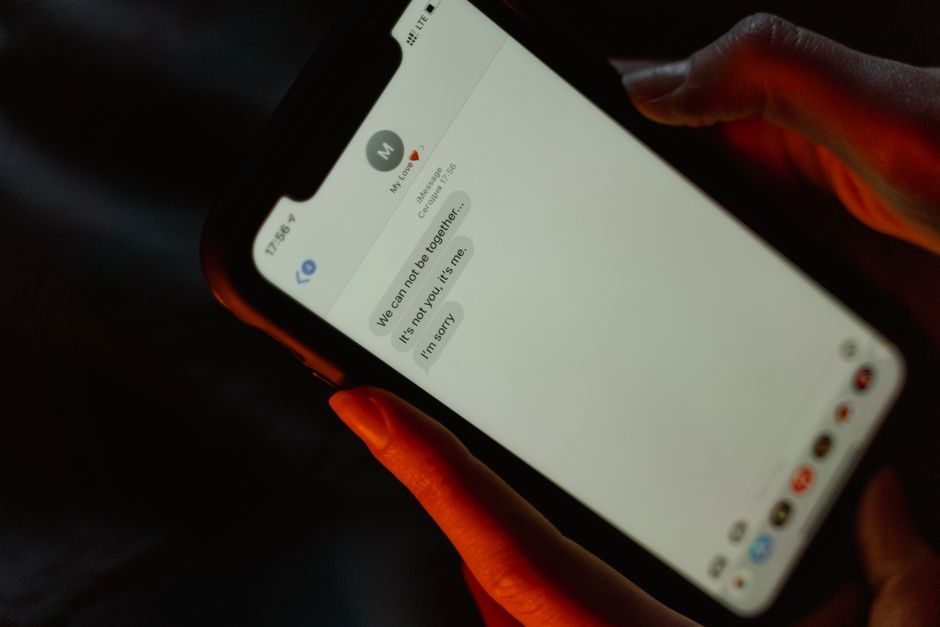
Save the exchange offer, the quoted rate, payment instructions, and every message with the seller or service. Capture screenshots that show the sender, date, and surrounding conversation, and keep original emails where possible. A cropped image may leave out details investigators need to connect the offer to an account or transaction.
- Deleting messages after taking cropped screenshots; preserve full conversations and original emails.
- Editing receipts to add notes; keep untouched originals and annotate a separate copy.
- Relying on memory for dates; write a timeline and label estimates clearly.
Download receipts and account statements that show the amount, currency, recipient details, transaction identifier, and status. Save confirmation pages before they disappear, but do not alter the files or annotate the only copy. Keep a separate working copy if you need to mark dates or highlight relevant passages for a report.
Write a short timeline while events are fresh, including when you first saw the offer, what rate was promised, when you paid, and what happened afterward. Record the names or account handles used and any changes in payment instructions. Distinguish what you directly observed from what the other party claimed.
Preserve Digital Details
Keep the web address of the exchange page and note when you viewed it, since pages and profiles can change or disappear. Save the complete URL in a text file and capture the page showing its terms, contact details, and quoted rate. Do not revisit suspicious links on a device that may contain sensitive account sessions.
Preserve records of payment destination details, such as the account name, bank, wallet address, or payment handle shown when you sent funds. Share these details only with your bank, law enforcement, or an official reporting channel. Avoid posting account numbers, identity documents, or private messages publicly, where they could expose you to further harm.
Store copies somewhere separate from the device used to contact the suspected service, such as a secure drive or a trusted computer. Keep a simple index describing each file and its date. If investigators request material, provide copies through their official process and retain your originals unless they specifically explain otherwise.
Report suspected exchange fraud to the right authorities
Start With Financial Channels
Report the transaction to the bank, card issuer, or payment service that handled it, even if you have already asked whether the money can be recovered. Provide the transaction record and explain why the exchange offer appears fraudulent. Ask for a case number and instructions for submitting supporting documents securely.
If the company claims to be a licensed money transmitter, check which regulator oversees it and submit a complaint through that regulator's official website. In the United States, the Consumer Financial Protection Bureau accepts complaints about many financial products and services, while state regulators may handle money-transfer licensing. Confirm the right channel for the specific business and issue.
Report suspected online fraud to the relevant law enforcement channel as well. In the United States, the FBI's Internet Crime Complaint Center accepts reports about internet-enabled crime, and local police can document what happened in your area. If you are outside the United States, use your national cybercrime reporting service or local police, and check the regulator's official contact details.
Make A Clear Report
State the facts in chronological order and separate confirmed details from assumptions. Include how the offer reached you, what the service promised, the payment method, the amount and currency, and what response followed. Attach the evidence requested by the reporting agency, but do not send passwords, one-time codes, or unnecessary identity documents.
Use the agency's official website, verified phone number, or in-person office rather than a link sent by the suspected exchanger. Some agencies provide a confirmation or reference number after a report is filed, so save it with your evidence. Reporting does not guarantee repayment, but it can preserve a record and help authorities assess related complaints.
Keep following up with your bank or payment provider separately, because a police or regulator report may not initiate a payment dispute. If the same person contacts you again, preserve the new messages and add them to your records. Avoid confronting the suspected operator or announcing an investigation, which could prompt account deletion or further demands.
Reduce the risk before making another transfer
Verify Before You Send
Treat every new transfer as a separate decision, even if the same person previously completed an exchange. Confirm the provider's legal name, contact details, licensing where applicable, and payment recipient through independent official sources. If a dollar-to-lira quote seems unusually favorable, compare it with an independent rate reference, while remembering that rates and fees can differ.
- ☐ Verify the provider through official records.
- ☐ Compare the quote, fees, and final amount.
- ☐ Match the recipient name to the verified business.
- ☐ Save the terms and payment confirmation.
Read the full payment terms before confirming, including the exchange rate, commission, spread, delivery time, cancellation rules, and the name that will receive the funds. Check that the payment recipient matches the provider you verified; a last-minute request to send money to a personal account or unrelated business is a reason to stop and recheck.
Use a payment method with a clear transaction record and dispute process when available, and send only after you understand what protection applies. Do not let a countdown, claimed limited-time rate, or repeated message rush your decision. If the provider will not explain the total amount the recipient should receive, walk away.
Set A Safer Routine
Keep exchange activity separate from everyday accounts where practical, and enable transaction alerts so unfamiliar payments are visible quickly. Review the recipient details on the final confirmation screen rather than relying on saved instructions. If anything has changed since your last transfer, verify the new details using a trusted contact channel.
Do not send identity documents or account credentials through ordinary chat simply because a service says it needs them urgently. Check the provider's privacy and verification process on its official site, and ask why specific information is needed. Never share a one-time security code with someone who contacted you, even if they claim to be support staff.
After each transfer, save the receipt and check that the amount arrived as agreed before making another payment. If the first payment is delayed or the provider demands an extra release, tax, or verification fee, pause and contact your bank and the relevant authority. A demand for more money is not proof that the original transfer can be recovered.
Frequently asked questions
Can I get money back after an online exchange scam?Possibly, but recovery is not guaranteed. Contact the bank, card issuer, or payment service that handled the transfer immediately and ask whether it can stop, recall, or dispute the payment. The options depend on the payment method and status. Preserve the transaction records and follow the provider's instructions; do not pay anyone who promises recovery in exchange for an upfront fee.
What if the exchange service appears to be a real company?A real company name or professional-looking website does not prove that the person contacting you represents it. Verify the legal business and contact details through independent official sources, then contact the company using those details. Check that the payment recipient matches the verified business and that the quoted terms are documented. Report suspicious activity even if you cannot yet establish who operated the account.
Does a favorable exchange rate prove that an offer is fraudulent?No. Rates can vary because providers apply different spreads, commissions, and timing, so a favorable quote alone does not establish fraud. Compare the quoted conversion and all fees with independent information, then check who will receive your payment and how the service is regulated. Pressure to act, unexplained extra charges, or a mismatched recipient are stronger reasons to pause and investigate.
What details should I give when I report the incident?Provide a factual timeline, the provider or account details, the promised conversion, the amount and payment method, and what happened after payment. Include transaction references and copies of messages or receipts when requested. Clearly label anything uncertain, and never include passwords or one-time security codes. Use the reporting body's official submission channel and keep its confirmation number with your records.
Pause, Preserve, and Verify
Online exchange fraud often depends on getting a person to trust a rate, recipient, or urgent request before checking the details. A quoted conversion can be compared with independent information, but that comparison cannot establish who controls the account receiving the money. Verify the provider and payment destination separately, and preserve the terms and receipts so you can explain exactly what was offered and what you sent.
If you suspect fraud, secure affected accounts, contact the payment provider promptly, and keep original messages, transaction records, and a clear timeline. Report the incident through official law enforcement or regulator channels appropriate to your location; a report does not guarantee reimbursement, but it creates a record. Before sending again, stop at any unexplained change in recipient, added fee, or demand for a security code.
Add Breaking Crime News as a preferred source on Google


