NYC Subway Chokehold Case: Jurors Grapple with Verdict
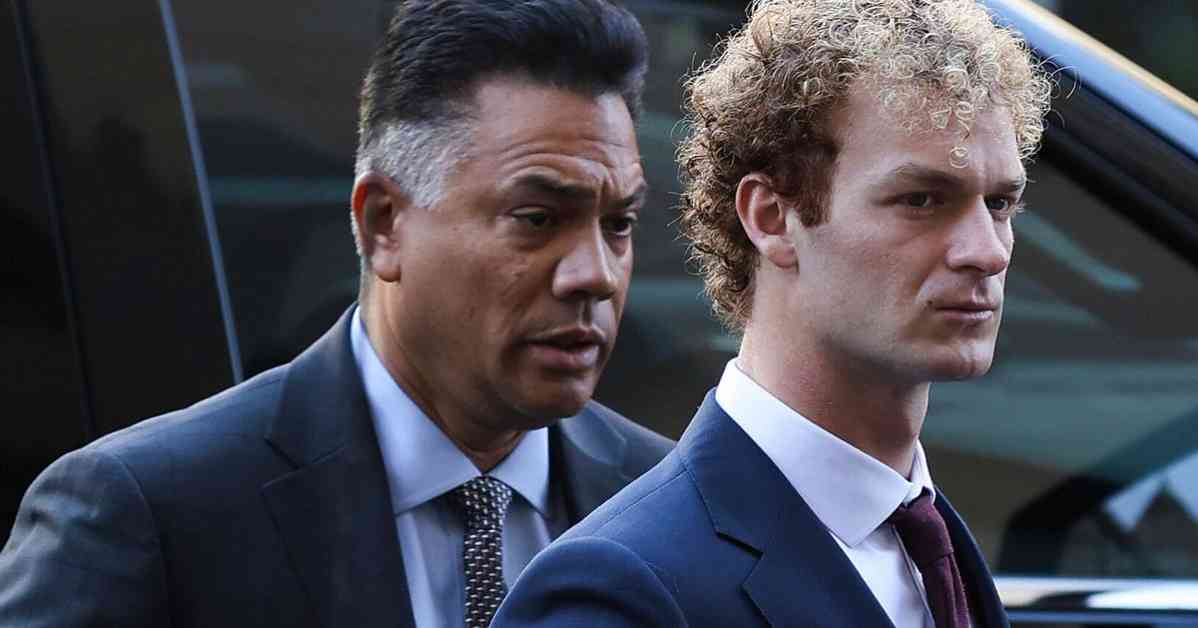
NEW YORK (AP) — The fate of Daniel Penny hangs in the balance as jurors in his subway chokehold manslaughter trial struggle to reach a unanimous decision on the top charge. Judge Maxwell Wiley has urged the jurors to persevere in their deliberations after they expressed their inability to come to a consensus on count 1.
Legal Battle Unfolds in the Courtroom
Penny, a Marine veteran, is on trial for charges of manslaughter and criminally negligent homicide in connection with the death of Jordan Neely, who tragically lost his life after being held in a chokehold for six minutes on a New York City subway platform on May 1, 2023. The stakes are high, with criminally negligent homicide carrying penalties ranging from probation to four years in prison, while manslaughter could result in up to 15 years behind bars.
During the trial, the courtroom witnessed emotionally charged testimonies from witnesses, law enforcement officials, pathologists, and individuals close to both Penny and Neely. The jury, comprised of anonymous individuals, has made numerous requests for additional information, including a review of crucial video evidence and a reiteration of legal definitions related to the case.
Clash of Perspectives
Prosecutors argue that Penny’s actions were excessive and unjustified, emphasizing the recklessness of his behavior that led to Neely’s untimely demise. In contrast, Penny’s defense team maintains that he was acting in self-defense and in the best interest of other subway passengers, given the volatile nature of the situation involving a mentally unstable individual.
The case has transcended beyond a mere legal dispute, evolving into a symbol of broader societal issues encompassing racial injustice, mental health crises, and homelessness. The racial dynamics at play, with Penny being white and Neely being Black, have added a layer of complexity to an already contentious trial.
An Ongoing Debate
As the deliberations continue and the courtroom drama unfolds, the city grapples with the aftermath of a tragic incident that has sparked conversations about accountability, justice, and the intersection of law enforcement with vulnerable populations. The outcome of this trial holds immense significance not only for the individuals directly involved but also for the community at large, reflecting the pressing need for systemic reforms in addressing complex social challenges.
In the midst of legal complexities and moral quandaries, the ultimate decision rests in the hands of the jury, tasked with navigating the nuances of a case that transcends individual actions to embody larger societal dilemmas.
Support free journalism and stay informed about critical issues that impact our communities. Your engagement and contributions are vital in upholding the values of transparency and accountability in the pursuit of truth. Let’s stand together in fostering a culture of informed dialogue and constructive change.