
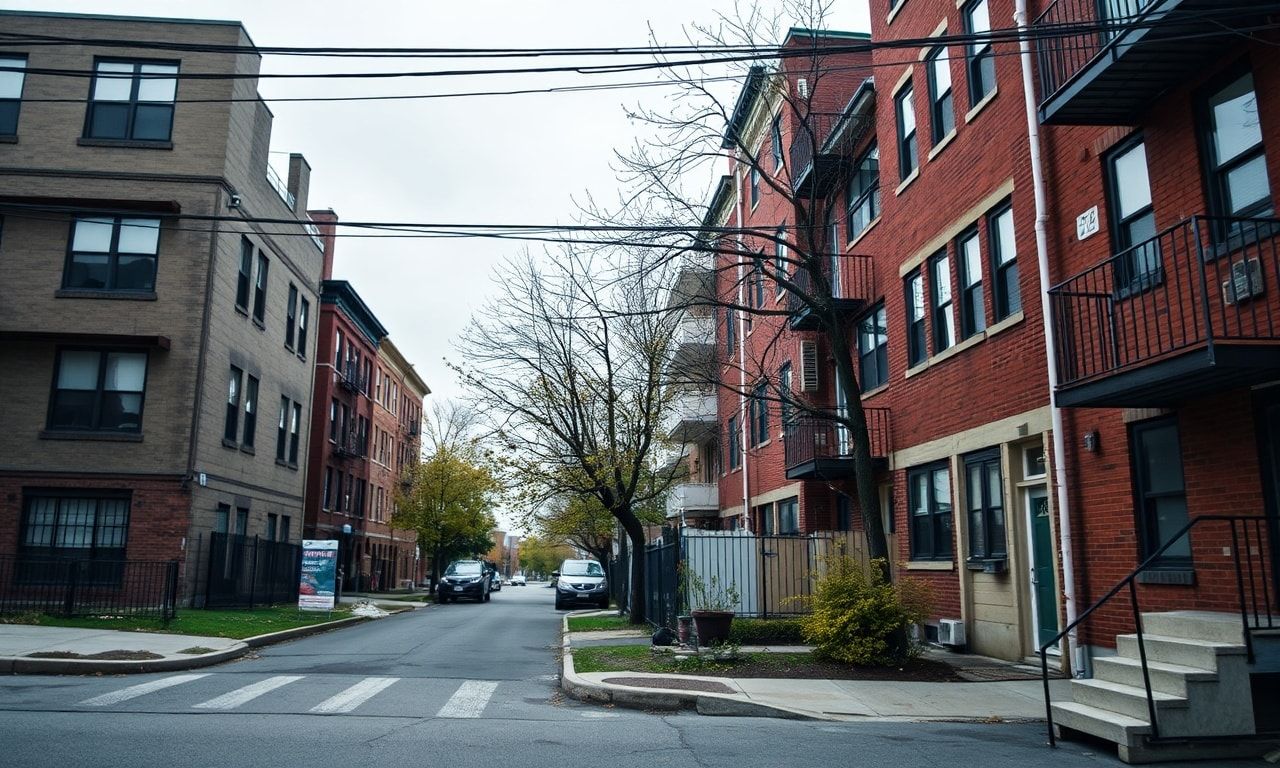
The Complex Relationship Between Housing and Crime
The relationship between housing and crime is a multifaceted issue that has been the subject of extensive research and debate. Understanding this dynamic is crucial for policymakers, law enforcement, and community leaders aiming to create safer, more secure urban environments. This article explores the various ways in which housing conditions and policies can influence crime rates, and vice versa.
Housing Conditions and Crime Rates
One of the most direct links between housing and crime is the condition of residential areas. Poorly maintained housing, lack of community resources, and high population density can contribute to higher crime rates. According to studies, neighborhoods with a high concentration of abandoned or dilapidated properties often experience increased criminal activity. This is not only due to the lack of surveillance and community oversight but also because such areas can become hubs for illegal activities.
Moreover, the economic status of residents plays a significant role. Areas with high poverty rates often see higher crime rates, as economic desperation can drive individuals towards criminal behavior. This is compounded by the lack of access to quality education and job opportunities, which can perpetuate cycles of crime and poverty.
The Role of Gentrification
Gentrification, the process of renovating and improving housing and businesses in deteriorating urban areas, can have a mixed impact on crime rates. On one hand, gentrification can bring in new businesses, improve infrastructure, and increase community engagement, all of which can lead to a reduction in crime. On the other hand, it can also displace long-time residents, leading to social unrest and potential increases in crime as communities are disrupted.
For instance, in cities like Glasgow, the gentrification process has been a topic of intense debate. As reported in a Glasgow rent news update, the rising rent prices have led to concerns about the displacement of lower-income residents, which could potentially affect crime rates in the long term.
Housing Policies and Crime Prevention
Effective housing policies can play a significant role in crime prevention. For example, programs that focus on affordable housing, community development, and tenant support can help create stable, safe environments. Mixed-income housing developments have been shown to reduce crime by fostering social cohesion and providing opportunities for residents to interact across different economic backgrounds.
Additionally, policies that address homelessness are crucial. Homeless individuals are often more vulnerable to both committing and being victims of crime. Providing access to shelters, mental health services, and job training programs can help reduce homelessness and, consequently, crime rates.
The Impact of Policing Strategies
Policing strategies also play a critical role in the relationship between housing and crime. Community policing, which emphasizes building trust and collaboration between law enforcement and residents, can be particularly effective. This approach involves officers getting to know the community, identifying problem areas, and working with residents to address issues before they escalate.
However, aggressive policing tactics, such as stop-and-frisk policies, can sometimes exacerbate tensions between law enforcement and communities, leading to increased crime and social unrest. Balancing effective crime prevention with respect for community rights is essential for maintaining public trust and safety.
Case Studies and Real-World Examples
Several real-world examples illustrate the complex relationship between housing and crime. In New York City, the implementation of the broken windows theory, which focuses on maintaining order and addressing minor crimes to prevent more serious ones, led to a significant reduction in crime rates. This theory emphasizes the importance of visible signs of disorder, such as vandalism and public drinking, as indicators of broader social issues.
In contrast, cities like Detroit have struggled with high crime rates due to a combination of economic decline, population loss, and housing abandonment. Efforts to revitalize the city through urban planning and community engagement have shown promise, but the challenges remain significant.
Conclusion
The intersection of housing and crime is a complex issue that requires a multifaceted approach. Addressing the root causes of crime, such as poverty, lack of education, and inadequate housing, is essential for creating safer communities. Policymakers, law enforcement, and community leaders must work together to develop comprehensive strategies that address both the immediate and long-term factors contributing to crime. By focusing on community engagement, effective policing, and equitable housing policies, cities can make significant strides in reducing crime and improving the quality of life for all residents.
Amidst the evolving economic landscape, individuals seeking to bolster their financial stability may find valuable insights in improving personal finances in Indonesia.
For a comprehensive look at the city’s evolving arts landscape, consider exploring Glasgow’s thriving cultural scene and its recent developments.
In the realm of current tech trends, our latest feature on Perth’s burgeoning tech innovations offers a compelling look at the city’s affordable gadgets making waves in the industry.