
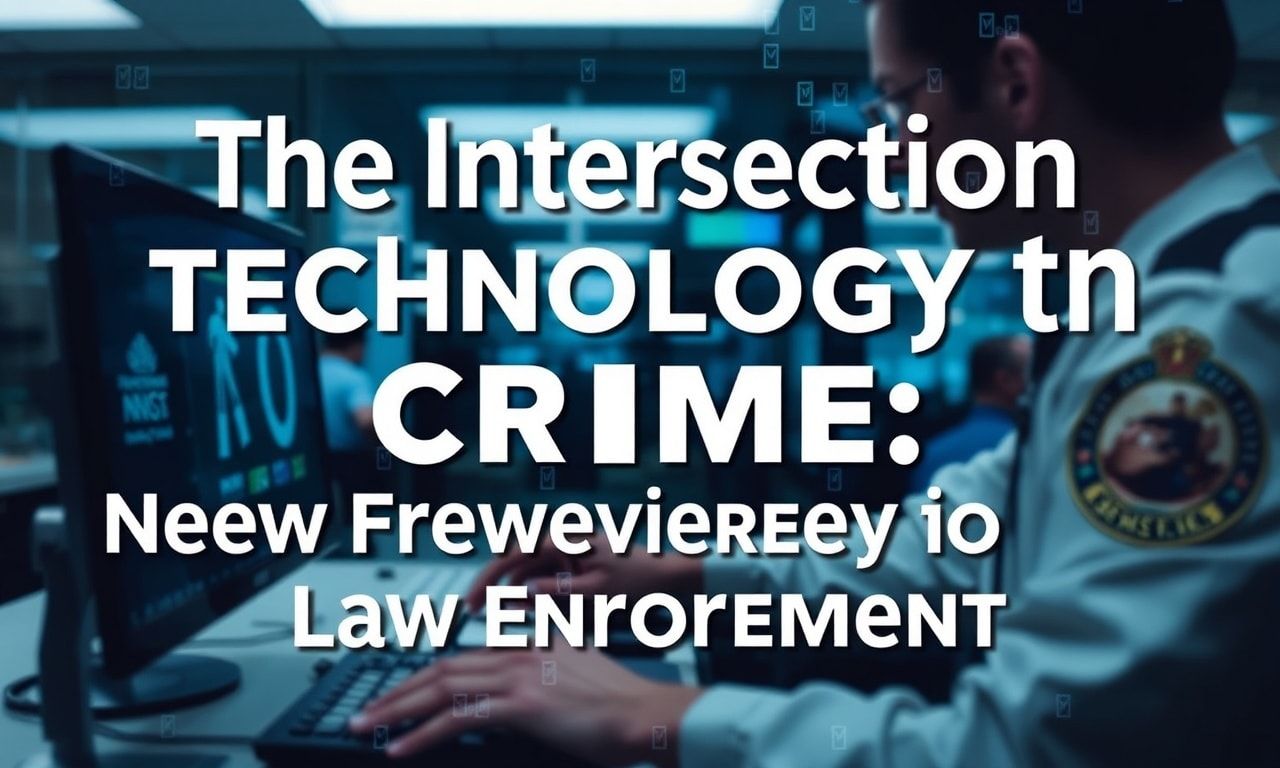
The Digital Age of Crime
The digital revolution has transformed nearly every aspect of modern life, and the world of crime is no exception. As technology advances, so do the methods employed by criminals, presenting law enforcement agencies with new challenges and opportunities. This article explores the evolving landscape of crime in the digital age, the innovative techniques being used by perpetrators, and the cutting-edge solutions being developed to combat these threats.
The Rise of Cybercrime
Cybercrime has emerged as one of the most significant threats in the digital era. With the increasing reliance on digital platforms for communication, commerce, and data storage, criminals have found new avenues to exploit vulnerabilities. Cybercrime encompasses a wide range of activities, including hacking, identity theft, phishing, and ransomware attacks. These crimes often transcend national borders, making them particularly challenging to investigate and prosecute.
One of the most notable examples of cybercrime is the rise of ransomware attacks. These attacks involve hackers encrypting a victim’s data and demanding payment in exchange for the decryption key. High-profile ransomware attacks have targeted hospitals, schools, and government agencies, causing significant disruption and financial loss. The anonymity provided by cryptocurrencies has made it difficult for law enforcement to track and apprehend the perpetrators.
Law Enforcement’s Response
In response to the growing threat of cybercrime, law enforcement agencies around the world are investing heavily in technology and training. Specialized units dedicated to cybercrime investigation have been established, and international cooperation has become crucial in tackling these borderless crimes. Agencies are also collaborating with private sector companies to develop advanced tools and techniques for detecting and preventing cyber threats.
Artificial intelligence (AI) and machine learning (ML) are playing an increasingly important role in the fight against cybercrime. These technologies can analyze vast amounts of data to identify patterns and anomalies that may indicate criminal activity. AI-powered tools can also help law enforcement agencies predict and prevent cyber attacks before they occur. However, the use of AI in law enforcement raises ethical and privacy concerns that must be carefully considered.
The Role of Podcasts in Crime Reporting
In the realm of crime reporting, podcasts have gained significant popularity. Podcasts provide a unique platform for in-depth storytelling and analysis, allowing listeners to delve into the complexities of criminal cases and investigative processes. Many podcasts focus on true crime stories, offering insights into the minds of criminals and the efforts of law enforcement to bring them to justice. For those interested in exploring this genre, podcast önerileri popüler programlar offer a wealth of content that can both entertain and educate.
Podcasts have also become a valuable tool for law enforcement agencies. Some agencies use podcasts to share information about ongoing investigations, solicit tips from the public, and raise awareness about emerging crime trends. By leveraging the reach and engagement of podcasts, law enforcement can foster a more informed and vigilant community.
Challenges and Ethical Considerations
While technology offers powerful tools for combating crime, it also presents significant challenges and ethical considerations. The use of surveillance technologies, such as facial recognition and predictive policing algorithms, has raised concerns about privacy and civil liberties. Law enforcement agencies must strike a delicate balance between using these technologies to protect the public and respecting individuals’ rights to privacy.
Another challenge is the rapid pace of technological change. As criminals adapt to new technologies, law enforcement agencies must continuously update their tools and strategies to keep pace. This requires ongoing investment in research and development, as well as collaboration with the tech industry and academic institutions.
The Future of Crime and Technology
The intersection of technology and crime will continue to evolve, presenting both opportunities and challenges for law enforcement. Emerging technologies such as quantum computing, blockchain, and the Internet of Things (IoT) will undoubtedly be exploited by criminals, but they also offer new avenues for investigation and prevention. Law enforcement agencies must remain vigilant and adaptable, embracing innovation while upholding the principles of justice and fairness.
As we navigate this complex landscape, it is essential to foster open dialogue and collaboration among law enforcement, the tech industry, and the public. By working together, we can harness the power of technology to create a safer and more secure world for all.
As the world slowly returns to normalcy, festivals and events make a comeback in 2023, offering a glimpse into the vibrant cultural landscape that has been eagerly awaited by many.
As technology continues to evolve, gaming chairs and entertainment tech are leading the charge in digital transformation; discover how in the latest advancements in immersive experiences.
As the gaming industry continues to innovate, future gaming trends offers a comprehensive look at what’s next in this dynamic field.