The Growing Concern of Urban Crime
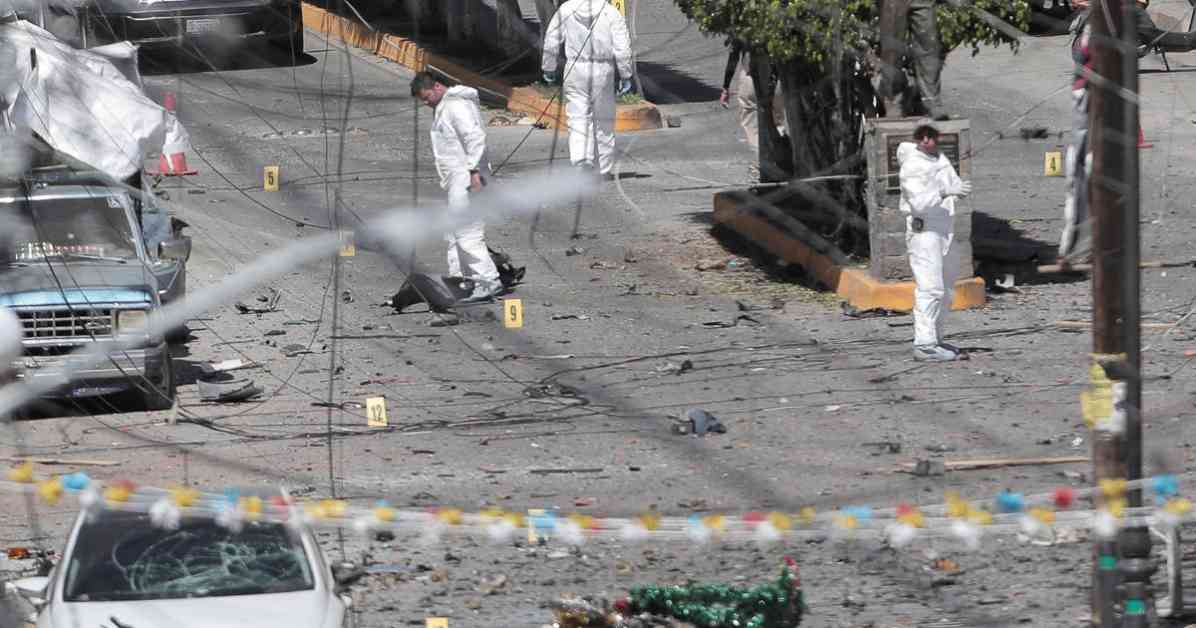
The dynamics of urban crime have long been a subject of intense study and debate. As cities expand and evolve, so do the complexities of maintaining law and order. This article delves into the intricate relationship between urban development and crime rates, with a particular focus on the district of Şişli in Istanbul. Understanding these dynamics is crucial for policymakers, urban planners, and law enforcement agencies aiming to create safer, more sustainable urban environments.
The Evolution of Şişli: A Brief Overview
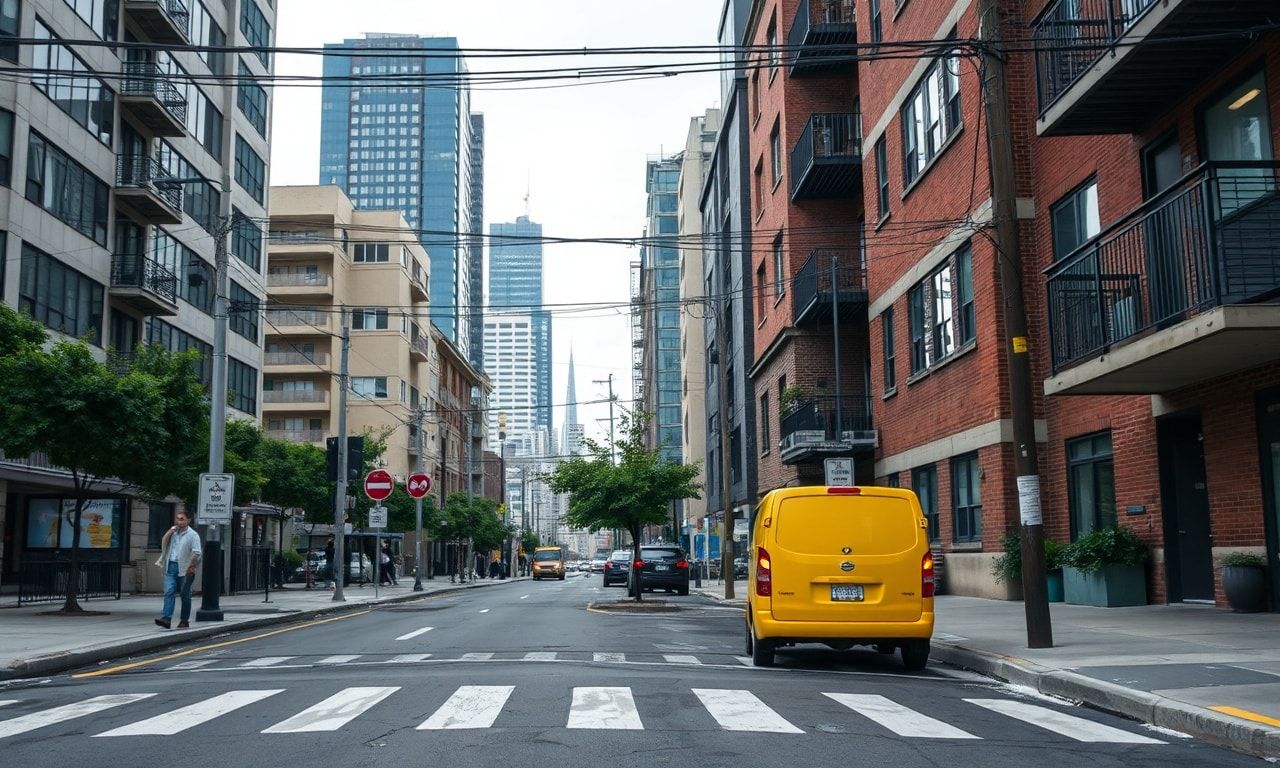
Şişli, one of Istanbul’s most vibrant and densely populated districts, has undergone significant transformation over the past few decades. Once a quiet residential area, it has now become a bustling commercial and entertainment hub. This rapid urbanization has brought about a myriad of changes, including an influx of residents and businesses, increased traffic, and a booming real estate market. However, with these changes come new challenges, particularly in terms of crime and public safety.
Urbanization and Its Impact on Crime
Urbanization is a double-edged sword. On one hand, it drives economic growth and provides opportunities for employment and entertainment. On the other hand, it can lead to overcrowding, social inequality, and an increase in crime rates. In Şişli, the rapid pace of development has led to a diverse population, which, while enriching the cultural fabric of the district, also presents unique challenges for law enforcement. The influx of people from different backgrounds and socioeconomic statuses can create tensions and, in some cases, lead to an increase in crime.
Key Areas of Concern
Several areas within Şişli have become hotspots for criminal activity. These include:
Commercial Centers: The proliferation of shopping malls, restaurants, and entertainment venues has attracted both legitimate businesses and criminal elements. Petty crimes such as pickpocketing and theft are not uncommon in these areas.
Residential Areas: The rapid construction of high-rise apartments and condominiums has led to overcrowding and social issues. This has, in turn, contributed to an increase in domestic disputes and other related crimes.
Transportation Hubs: As a major transportation hub, Şişli sees a high volume of daily commuters. This makes it a prime target for crimes such as pickpocketing and bag snatching.
Community Initiatives and Law Enforcement Efforts
In response to the rising crime rates, both the local community and law enforcement agencies have taken proactive measures to address the issue. Community policing initiatives have been implemented to build trust and foster collaboration between residents and the police. Additionally, neighborhood watch programs have been established to encourage residents to take an active role in maintaining the safety of their communities.
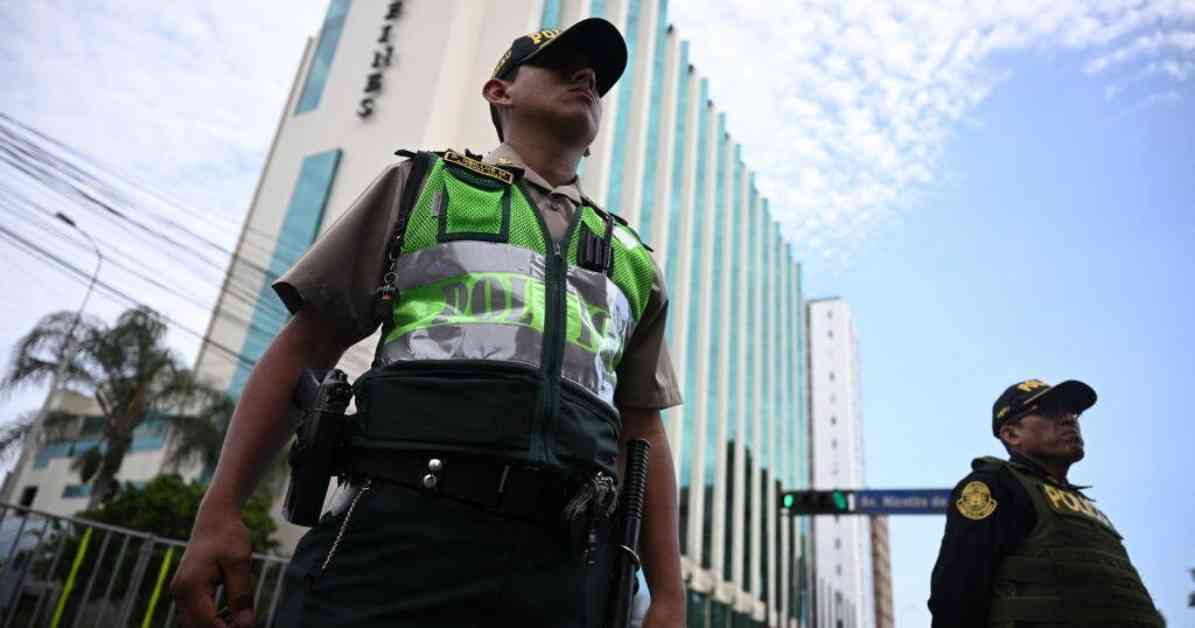
Law enforcement agencies have also increased their presence in key areas, particularly during peak hours. Surveillance cameras and other technological advancements have been deployed to monitor high-risk areas and deter potential criminals. These efforts have shown promising results, with a noticeable decrease in crime rates in some areas.
Şişli Yapılacak Şeyler Hafta Sonu
For those looking to explore Şişli and its many attractions, there are numerous activities and events to enjoy over the weekend. From visiting popular shopping centers to exploring cultural landmarks, there is something for everyone. For a comprehensive guide on what to do in Şişli, check out Şişli yapılacak şeyler hafta sonu. This resource provides valuable insights into the best places to visit and the most exciting events happening in the district.
The Future of Şişli: Balancing Growth and Safety
The future of Şişli lies in striking a balance between continued urban development and maintaining public safety. This requires a multi-faceted approach that involves:
Sustainable Urban Planning: Ensuring that new developments are planned with consideration for the social and economic well-being of the community.
Community Engagement: Encouraging active participation from residents in decision-making processes and safety initiatives.
Technological Advancements: Leveraging technology to enhance surveillance and crime prevention efforts.
Collaborative Efforts: Fostering strong partnerships between law enforcement, urban planners, and community leaders to address emerging challenges proactively.
By adopting these strategies, Şişli can continue to thrive as a vibrant and safe urban center, setting a precedent for other rapidly developing districts.
Conclusion
The relationship between urban development and crime rates is complex and multifaceted. The case of Şişli highlights the importance of proactive measures and community engagement in addressing these challenges. As the district continues to evolve, it is crucial to prioritize the safety and well-being of its residents while fostering a sense of community and belonging. Through collaborative efforts and innovative solutions, Şişli can pave the way for a safer, more sustainable urban future.