
Guns for Sale on Social Media: Violating Meta’s Policies
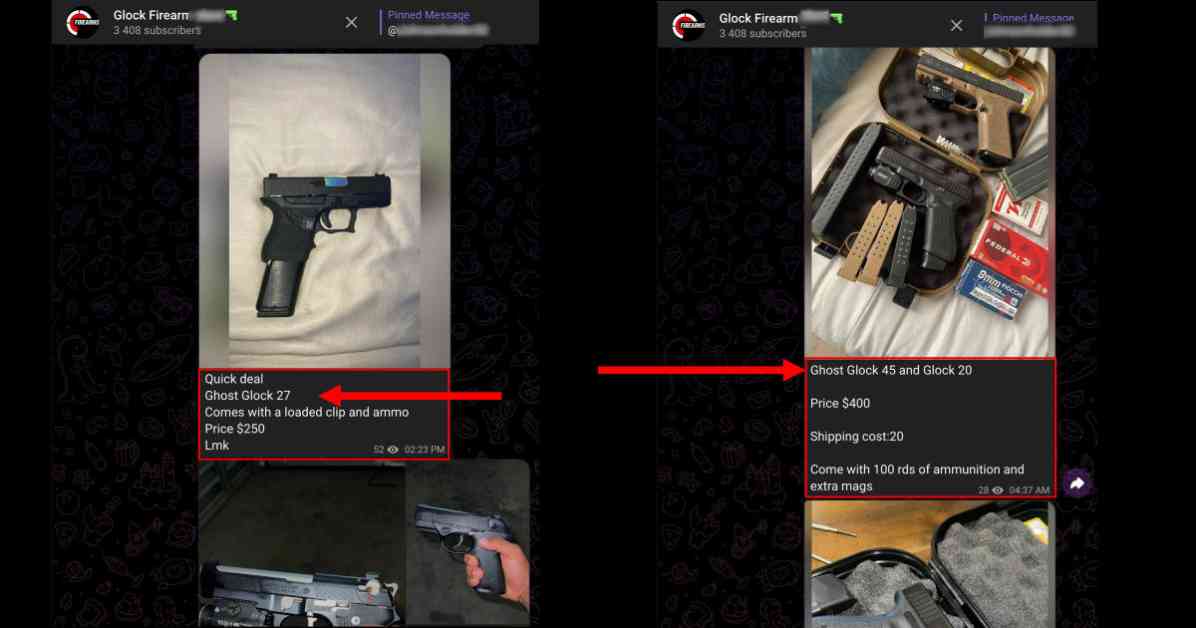
Replica guns such as Glocks, military-style rifles, and “ghost guns” have been advertised for sale on popular platforms like Facebook and Instagram, despite Meta’s ban on firearm ads since 2016. Tech Transparency Project and the Everytown for Gun Safety Support Fund revealed in a recent study that over 230 ads for guns ran on Meta’s platforms in just over two months, with many ads directing users to Telegram for actual transactions.
The massive reach of Meta’s ads across platforms like Facebook, Messenger, Instagram, and Meta Audience Network is concerning, as these ads can appear in various forms, reaching a wide audience. While Meta has systems in place to review ads before they go live, the Tech Transparency Project found that numerous gun-related ads slipped through the cracks, including ads for illegal machine gun conversion devices.
In addition to ads, CBS News’ investigation uncovered listings for firearms, pellet guns, and BB guns on Facebook Marketplace, violating Meta’s policies. While Meta claims that the majority of problematic listings are caught by their systems before being flagged by users, the prevalence of gun-related content on social media platforms remains a significant issue.
Several cases in recent years have highlighted individuals charged with selling firearms and illegal gun accessories on Meta platforms, particularly through Instagram profile pages. Despite Meta’s efforts to enforce commerce policies through automated and human reviews, the issue of gun sales on social media persists.
Gun safety advocacy groups have criticized tech companies for not doing enough to crack down on gun sales, pointing out that Meta has failed to keep its promise of keeping gun sales off its platforms. While Meta reports taking action on millions of pieces of firearm content on Facebook and Instagram, the numbers do not include advertisements, raising concerns about the effectiveness of content moderation on social media platforms.
Overall, the sale of guns on social media platforms like Meta poses significant challenges for law enforcement and raises questions about the company’s ability to enforce its own policies effectively. As the Tech Transparency Project’s investigation shows, more needs to be done to prevent dangerous weapons from being trafficked through online channels, threatening the safety of individuals both in the U.S. and around the world.