
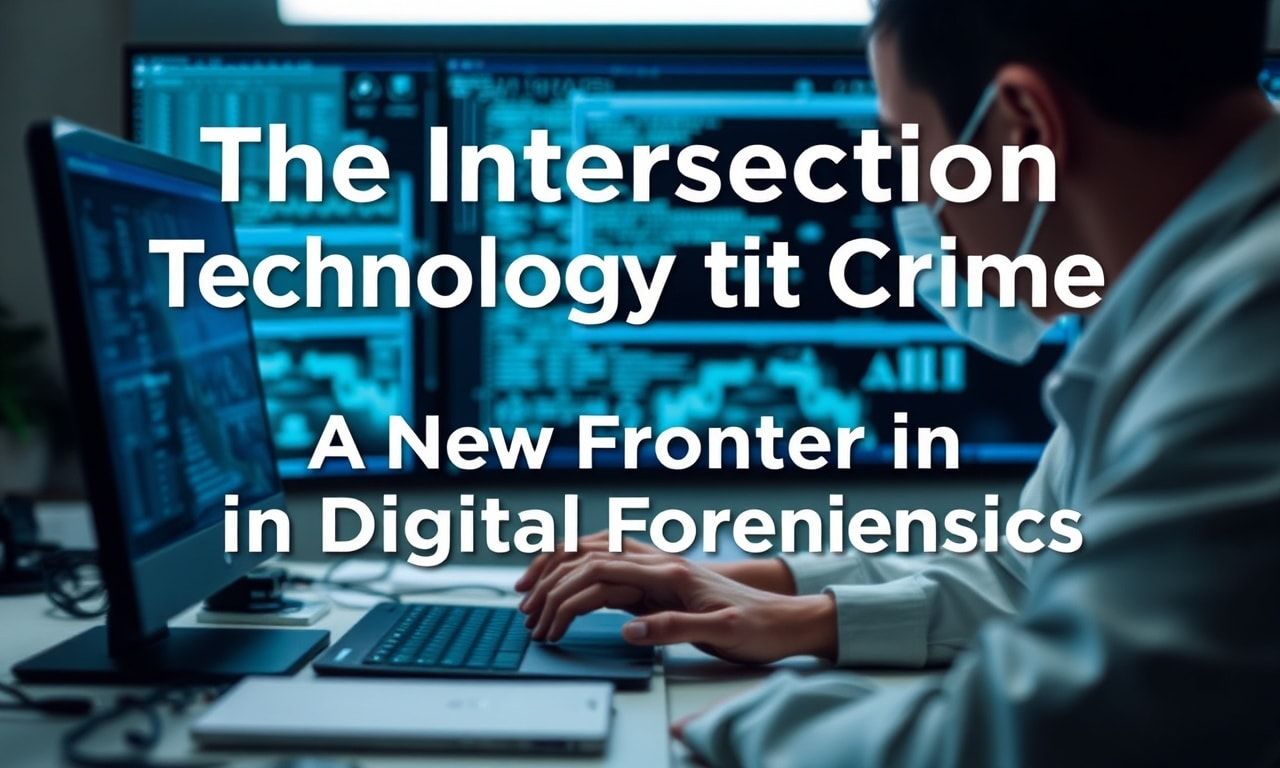
The Evolution of Crime in the Digital Age
The landscape of crime has undergone a significant transformation with the advent of digital technology. As society becomes increasingly reliant on digital platforms, criminals have adapted their methods to exploit these new environments. This shift has given rise to a new field of digital forensics, which plays a crucial role in investigating and prosecuting cybercrimes.
From identity theft to hacking, the scope of digital crimes is vast and continually evolving. Law enforcement agencies and cybersecurity experts are constantly challenged to stay ahead of the curve, developing innovative strategies to combat these threats. The integration of advanced technologies, such as artificial intelligence and machine learning, has become essential in identifying patterns and predicting potential cyber threats.
One of the key areas of focus in digital forensics is the analysis of digital evidence. This involves the examination of data from various sources, including computers, mobile devices, and network systems. The goal is to uncover crucial information that can aid in the investigation and prosecution of cybercrimes. The complexity of this task is compounded by the need to ensure the integrity and admissibility of the evidence in court.
The Role of Digital Forensics in Modern Investigations
Digital forensics has become an indispensable tool in modern law enforcement. It provides investigators with the means to gather, analyze, and present digital evidence in a manner that is both scientifically sound and legally admissible. The process involves several stages, including data acquisition, preservation, analysis, and reporting.
Data acquisition is the first step in the digital forensics process. It involves the collection of digital evidence from various sources, ensuring that the data is preserved in its original state. This is crucial to maintaining the integrity of the evidence and ensuring its admissibility in court. The use of specialized tools and techniques is essential in this phase to ensure that the data is collected accurately and efficiently.
Once the data has been acquired, it undergoes a thorough analysis to uncover any relevant information. This involves the use of advanced software tools to examine the data for patterns, anomalies, and other indicators of criminal activity. The analysis phase is critical in identifying the key pieces of evidence that will support the investigation. It requires a high level of expertise and attention to detail to ensure that no relevant information is overlooked.
The Challenges of Digital Forensics
Despite its importance, digital forensics faces several challenges that can hinder its effectiveness. One of the primary challenges is the sheer volume of data that needs to be analyzed. As technology advances, the amount of digital data generated continues to grow exponentially. This makes it increasingly difficult for investigators to sift through the data and identify relevant information.
Another challenge is the rapid pace of technological change. As new technologies emerge, criminals quickly adapt their methods to exploit them. This requires digital forensics experts to stay up-to-date with the latest developments and continuously update their skills and knowledge. The use of encryption and other privacy-enhancing technologies also poses a significant challenge, as they can make it difficult to access and analyze digital evidence.
To overcome these challenges, digital forensics experts must collaborate closely with other stakeholders, including law enforcement agencies, cybersecurity firms, and academic institutions. This collaboration can help to share knowledge, resources, and best practices, ultimately enhancing the effectiveness of digital forensics in combating cybercrimes.
The Future of Digital Forensics
The future of digital forensics looks promising, with advancements in technology set to revolutionize the field. The integration of artificial intelligence and machine learning algorithms can significantly enhance the analysis of digital evidence, making it faster and more accurate. These technologies can help to identify patterns and anomalies that might otherwise go unnoticed, providing valuable insights into criminal activities.
Additionally, the development of new tools and techniques for data acquisition and preservation will further enhance the capabilities of digital forensics. The use of cloud computing and big data analytics can provide investigators with the resources they need to handle the vast amounts of data generated in modern digital environments. This will enable them to conduct more comprehensive and efficient investigations, ultimately leading to better outcomes in the fight against cybercrime.
In conclusion, digital forensics plays a crucial role in modern law enforcement, providing investigators with the tools and techniques they need to combat cybercrimes effectively. As technology continues to evolve, the field of digital forensics will need to adapt and innovate to keep pace with the changing landscape of crime. By embracing new technologies and fostering collaboration among stakeholders, digital forensics can continue to make significant contributions to the fight against cybercrime.
For those interested in the technological aspects of crime prevention, exploring resources such as the best graphic design software compared can provide valuable insights into the tools used in digital forensics and cybersecurity.