The Intersection of Natural Disasters and Criminal Activity
Natural disasters have long been recognized for their devastating impact on communities, infrastructure, and economies. However, their influence on criminal behavior is a less discussed yet critical aspect. As climate change intensifies the frequency and severity of natural disasters, understanding their correlation with crime becomes increasingly important. This article delves into the intricate relationship between natural disasters and criminal activity, exploring how these events can both mitigate and exacerbate crime rates.
The Impact of Natural Disasters on Crime Rates
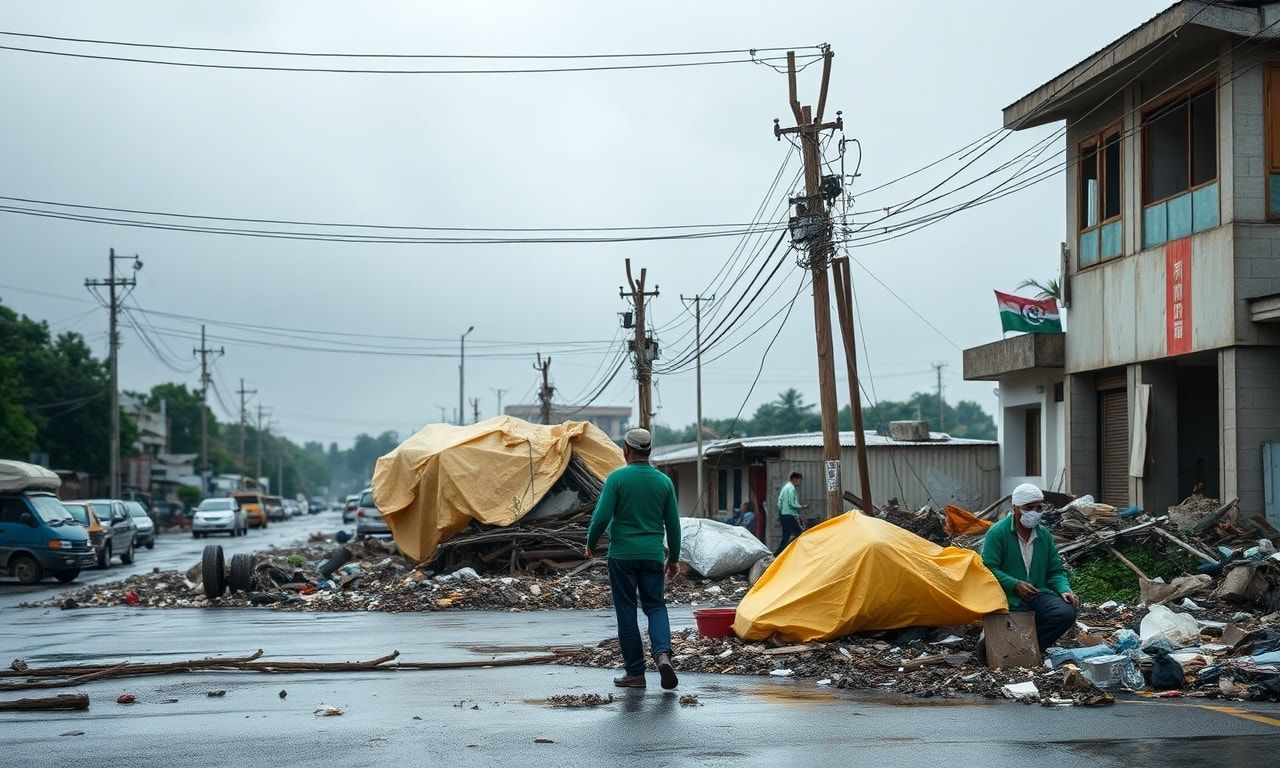
Natural disasters such as hurricanes, earthquakes, and wildfires often lead to a temporary disruption in social order. In the immediate aftermath, communities may experience a decline in crime rates due to heightened community cohesion and increased police presence. However, as recovery efforts progress, the long-term effects can be more complex. Displacement, economic instability, and the breakdown of social structures can create conditions conducive to increased criminal activity. Studies have shown that property crimes, such as burglary and theft, tend to rise in the months following a major disaster as individuals struggle to rebuild their lives.
The Role of severe weather alerts in Crime Prevention
Effective communication and preparedness are crucial in mitigating the impact of natural disasters on crime rates. Severe weather alerts play a pivotal role in this process by providing timely information that enables communities to take proactive measures. By staying informed about impending disasters, individuals can better prepare their homes and businesses, reducing the likelihood of opportunistic crimes. Additionally, law enforcement agencies can use these alerts to allocate resources more effectively, ensuring a swift response to any criminal activity that may arise during or after a disaster.
Case Studies: Lessons from Past Disasters
The 2005 Hurricane Katrina in New Orleans serves as a stark example of how natural disasters can exacerbate criminal behavior. In the wake of the hurricane, looting and vandalism became rampant as law enforcement struggled to maintain order amidst the chaos. Conversely, the 2011 earthquake and tsunami in Japan demonstrated the positive impact of preparedness and community resilience. Despite the immense destruction, crime rates remained relatively low due to the country’s robust disaster management systems and strong community bonds.
Economic Factors and Crime
Economic instability is a significant factor in the relationship between natural disasters and crime. Disasters often lead to job losses, business closures, and economic downturns, which can increase the likelihood of property crimes and other economically motivated offenses. For instance, the 2008 financial crisis in the United States saw a rise in crime rates, particularly in areas heavily impacted by the economic downturn. Similarly, natural disasters can exacerbate economic disparities, creating conditions that foster criminal activity.
Community Resilience and Crime Prevention
Building community resilience is essential in mitigating the impact of natural disasters on crime rates. Strong social networks, effective communication, and community engagement can help maintain social order and reduce criminal activity. Neighborhood watch programs, community policing initiatives, and disaster preparedness training are all strategies that can enhance community resilience. By fostering a sense of collective responsibility and preparedness, communities can better withstand the challenges posed by natural disasters and reduce the likelihood of crime.
Conclusion
The relationship between natural disasters and criminal activity is complex and multifaceted. While disasters can initially disrupt social order, their long-term effects on crime rates depend on various factors, including economic stability, community resilience, and effective communication. By understanding these dynamics, communities and law enforcement agencies can develop strategies to mitigate the impact of natural disasters on crime. As climate change continues to intensify the frequency and severity of these events, proactive measures and preparedness will be crucial in maintaining safety and order.
In the midst of rapid technological advancements, understanding how innovations impact daily life is crucial; our latest feature, exploring tech’s everyday influence, delves into this evolving landscape.
As extreme weather events continue to dominate headlines, a new article examines climate change’s role in shifting patterns.
As electric vehicles gain traction, understanding their performance in varying weather conditions becomes crucial; explore the details in how weather impacts EVs.